
Energy storage system solutions
(micro-inverter + AC-coupled energy storage system)
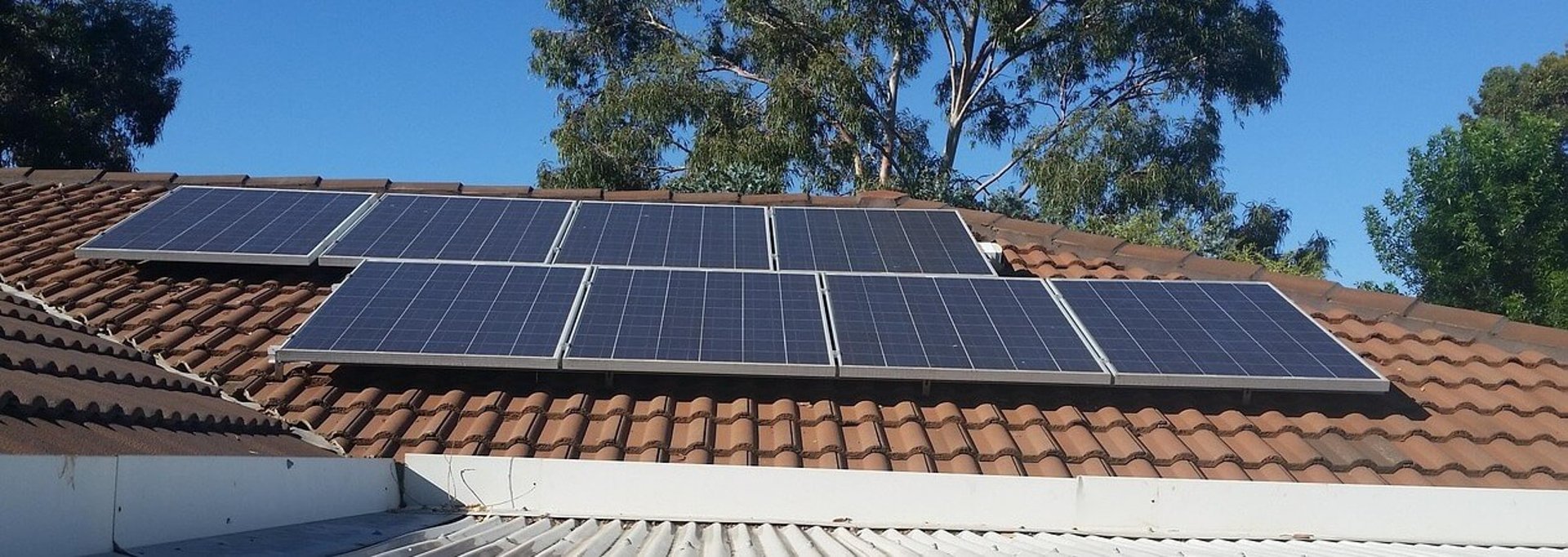
⭐Residential Solar PV Solutions
Safe, efficient, flexible, and versatile, storing your home's energy.
⭐Perfectly matched with micro inverters, ensuring safety
Flexible and versatile, meeting the needs of all users
Improving home energy efficiency, a safe rooftop solution
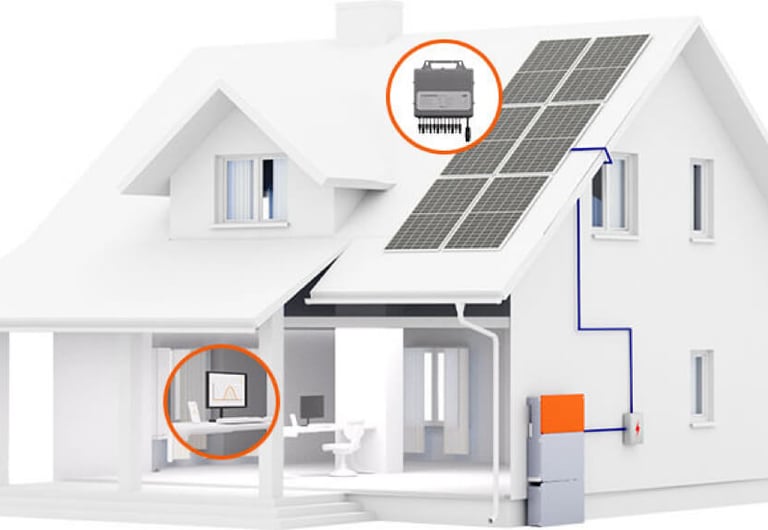


AC Coupling Unit (ACU)
micro inverter
Surveillance and accessories
High rate of
spontaneous self-use
The electricity generated by a grid-connected photovoltaic (PV) system is instantaneous. When users cannot consume the generated electricity, it must be fed into the public grid.
Furthermore, because PV systems rely on sunlight, they can only operate during the day. When the generated electricity exceeds the household's load, and local electricity prices are low, the electricity fed into the grid will be wasted, thus reducing the overall system's revenue.
However, an AC coupling unit can store excess AC power in batteries and release it when needed, thereby increasing the self-consumption rate of the household power generation system and ensuring the maximum benefit of the PV system.
Flexible and versatile
Easy to monitor and meets diverse needs
Automatic dispatch mode: The AC-coupled system can store unused electricity during the day and release it at night.
Time-of-use pricing mode: The AC-coupled system can store energy when electricity prices are low and release it when prices are high.
Standby mode: When the power grid in the user's location is unstable or there is an unexpected power outage, the system stores enough electricity to supply the user.
Safe roof solutions
As a solar energy conversion device, a photovoltaic system continuously generates energy under sunlight, meaning a high-voltage current will constantly exist within the system.
In case of accidents, such as poor DC terminal contact, DC arcing can easily occur, potentially causing a fire. Simultaneously, if the photovoltaic array wires are damaged, there is a risk of electric shock, threatening the safety of firefighters.
⭐Microinverters employ a multi-MPPT design to ensure low DC voltage throughout the system. Therefore, ⭐microinverter photovoltaic systems can avoid the risks of high DC voltage and DC arcing. In emergencies such as fires, firefighters are also protected from the risk of electric shock, ensuring their safety.
Upgrade existing photovoltaic
systems (excluding micro-inverters)
Even without using a ⭐ micro-inverter, users can convert other photovoltaic (PV) systems into energy storage systems via AC coupling units. Electricity generated during the day is supplied to residential appliances, while excess energy is stored in the PV energy storage system for use at night and during peak hours, thereby increasing the self-consumption rate of the residential PV system.
Simultaneously, this solution can opt for the ⭐ module-level fast shutdown device. Designed according to NEC 2014 regulations, this device allows for remote or manual rapid shutdown of the connection between each PV module in emergency situations, eliminating high DC voltage in the PV array, reducing the risk of electric shock, and mitigating rescue risks.

Compared to other manufacturers, ⭐ micro inverters offer superior product performance, unique structural design, and reliable product quality.